Natural stone sealing
Sandstone and travertine are our core work, but many homes pair them with limestone, bluestone, granite or marble. Each one absorbs, stains and weathers differently, and each needs its own sealer.
- $20 million public liability
- Eastern Suburbs & Northern Beaches
- Price on request
Limestone behaves like travertine: acid-sensitive and porous, so it needs acid-free cleaning and a limestone-rated impregnator. Bluestone (basalt) is dense but marks easily with oil and water rings, and some sealers darken it more than others. Granite is the least porous, and over-applied sealer can leave a hazy residue. Exterior marble etches easily and weathers fast in sun and rain.
We test the stone's absorbency before choosing a sealer, so the product can penetrate and the finish looks right. Where a single area mixes stones, such as bluestone steps with a sandstone path, we treat each one correctly rather than sealing everything with one product.
Preparation is the same as always: clean to bare stone, let it dry fully, seal in controlled coats, remove the excess.
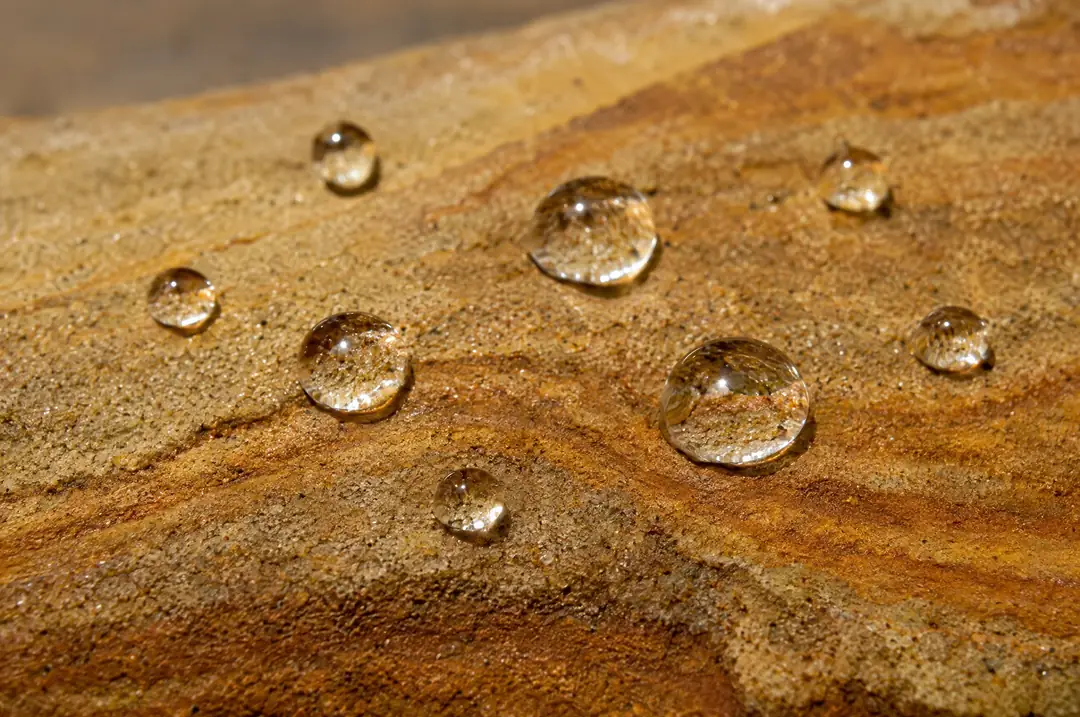
Signs you need natural stone sealing
- Water darkens the stone instead of beading
- Oil or water rings on bluestone
- Hazy residue on granite from a previous sealer
- Dull etch marks on limestone or marble
- New stone just laid
How we do it
- Identify and testWe confirm the stone and test how quickly it absorbs water.
- Clean appropriatelyAcid-free for calcareous stones, degreasing for bluestone, and residue removal for granite.
- Match the sealerNatural or enhancing, chosen to suit the stone's absorbency and exposure.
- Apply and remove the excessNothing is left to dry on the surface, which avoids haze and streaks.
- RecordWe record the product and date for each area, so maintenance is simple.
One property, several stones
Luxury homes often combine stones: limestone inside flowing to travertine outside, a bluestone driveway, granite benches and sandstone walls. We plan the sequence and the products together, so the whole property is protected and nothing is over-treated.
We focus on exterior and outdoor-living areas. For interior polishing work we'll say so if another specialist is the better fit.
Aftercare
- Clean with a pH-neutral stone cleaner suited to the stone.
- Blot spills on bluestone and limestone quickly.
- Water-drop test each surface yearly.
Frequently asked questions
Straight answers from our stone-care technicians.
Does bluestone need sealing?
Bluestone is dense, but it marks easily with oil and water. A penetrating sealer helps a great deal, especially around BBQs and entertaining areas. Some sealers darken bluestone, so we test first.
Can granite be sealed?
Many granites are dense enough to need little or no sealer. Over-applying causes haze. We test absorbency and only seal where it helps.
Is limestone cleaned like travertine?
Yes, broadly. Both are calcium carbonate stones, so no acids and only limestone-safe cleaners and sealers.
Can outdoor marble be protected?
A penetrating sealer helps against staining, but marble will still etch with acids and weather outdoors. Honest maintenance expectations matter here.
Do you seal concrete pavers?
Our focus is natural stone. We may assess concrete pavers on mixed properties, but we're not a general paver-sealing service.
How do I know what stone I have?
Send us a photo with your quote request. We'll confirm on site before choosing products.
Related services
- Sandstone sealingA good sandstone sealer is invisible. It sits inside the pores, not on top, so water beads off and…
- Travertine sealingAround a pool, unsealed travertine soaks up salt water like a sponge. As the water dries, salt…
- Stone stain removalEvery stain has a chemistry, and so does every stone. Bleaching or acid-washing a stain usually…